Understanding the Concept
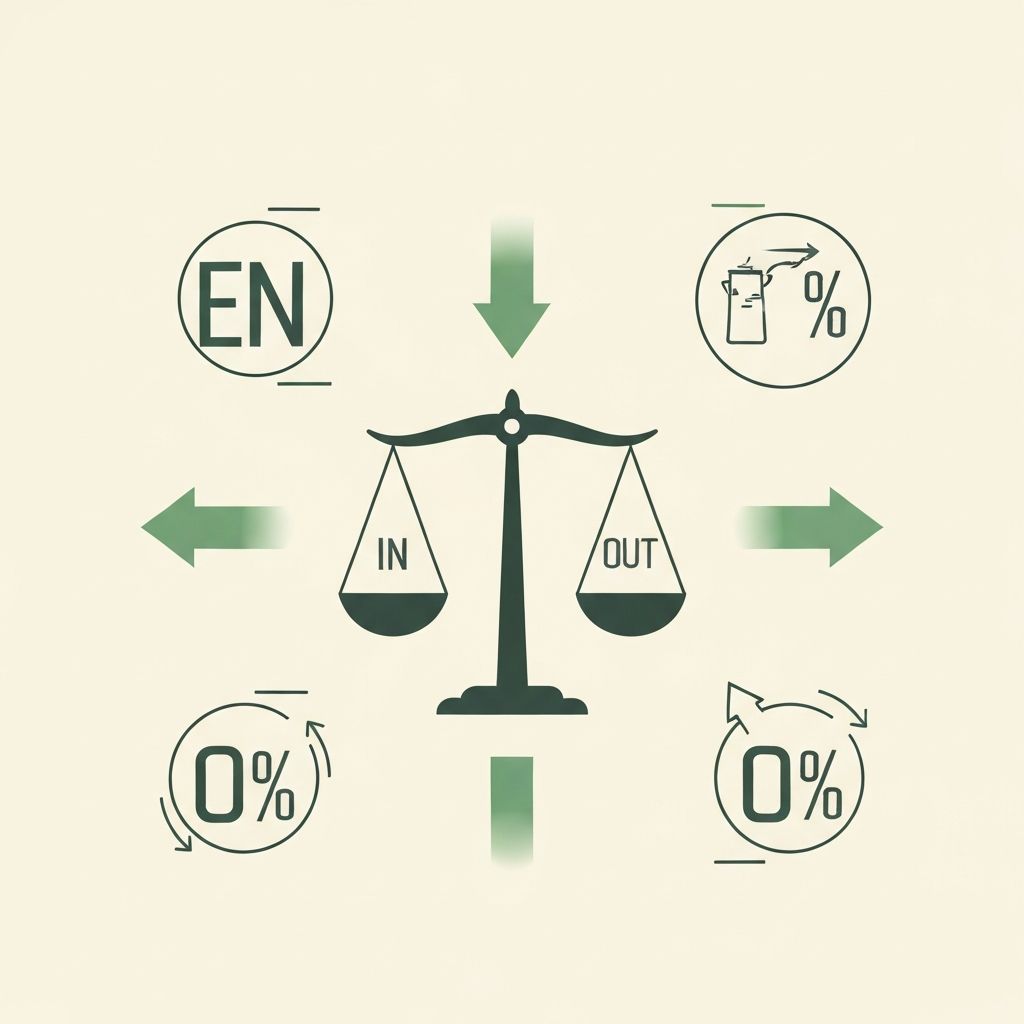
Daily energy balance is fundamentally about the relationship between energy consumed and energy used. This concept is studied across nutrition science, physiology, and metabolic research.
Energy comes from food in the form of calories. One calorie is a unit of energy. The main sources are:
- Carbohydrates: 4 calories per gram
- Proteins: 4 calories per gram
- Fats: 9 calories per gram
When you eat food, your body breaks it down and extracts energy. This energy powers everything from basic cellular function to movement and thinking.
Energy Output (Expenditure)
Your body uses energy in three main ways:
- Basal Metabolic Rate (BMR): Energy used for basic functions like breathing, circulation, and cell maintenance. This accounts for the largest portion of daily energy use for most people.
- Thermic Effect of Food (TEF): Energy used to digest, absorb, and process the food you eat.
- Physical Activity: Energy used during intentional exercise and everyday movement and activities.
Different people have different metabolic rates based on age, genetics, body composition, hormones, and other factors.
The Three Possible States
Daily energy balance can result in three scenarios:
- Energy Balance: Energy in equals energy out. This is often described as a "neutral" state.
- Surplus: Energy in exceeds energy out. Extra energy is stored in the body.
- Deficit: Energy out exceeds energy in. The body draws on stored energy.
These states occur naturally throughout life as activity levels, eating patterns, and metabolism change.
Individual Variation
Important: The relationship between energy balance and body changes is highly individual. Everyone's body responds differently based on genetics, health status, medications, stress, sleep, and numerous other factors. Energy balance is just one piece of a complex biological system.
Practical Everyday Application
In everyday life, people naturally experience different energy states:
- Someone training for an athletic event may need more calories (surplus)
- Someone recovering from illness might need consistent energy (balance)
- During a busy day with high activity, someone might eat more (adjusting to activity)
This is descriptive information about how energy balance works scientifically. For decisions about your own dietary and activity patterns, consult with healthcare professionals.